NG Apparels — clothing manufacturer India logo
Our Story +
Products +
Ethical Manufacturing
Resource +
FAQs Contact Us
0%

Choosing the right Insulated Ski Suits in 2026 requires more than comparing colors, prices, and online ratings. A warm-looking suit may still feel cold on a windy chairlift. Another may trap heat during a steep climb. The best choice depends on insulation type, weather protection, movement, and personal skiing habits.

This guide focuses on practical details that matter outdoors. Check the insulation weight, waterproof rating, seam construction, hood adjustment, and ventilation zippers. Synthetic insulation often performs reliably in damp conditions, while down can offer excellent warmth with less weight when kept dry. A flexible fit should allow a base layer and mid-layer without pulling across the shoulders. Test the pockets with gloves on. Small details matter.

Use manufacturer specifications, care labels, and credible independent reviews instead of trusting dramatic marketing claims. Experienced skiers should also consider changing weather, lift exposure, and activity level. Resort skiing, ski touring, and occasional family trips require different designs. There is no perfect suit for everyone. That is worth remembering.

A fitting room cannot reproduce wind, wet snow, or six hours outside. I may overlook a feature that becomes important later, such as a powder skirt or two-way zipper. Therefore, compare real-use evidence carefully, and leave room for personal judgment. In 2026, the smartest purchase will balance warmth, breathability, durability, comfort, and responsible value rather than chasing the newest label.
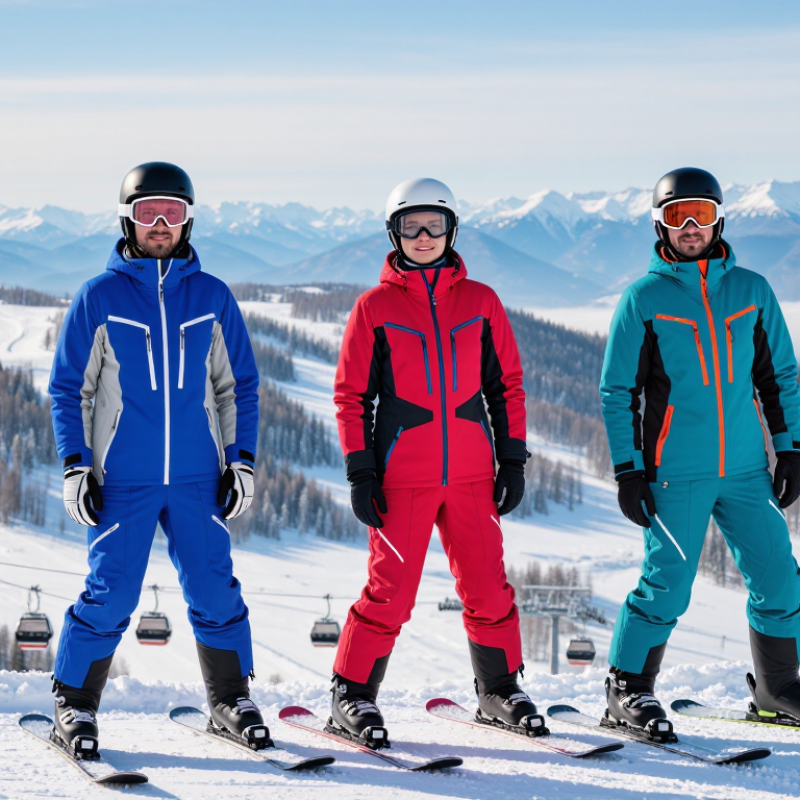
How to Choose Insulated Ski Suits in 2026?

Understanding Insulation Types and Warmth Ratings

Choosing an insulated ski suit in 2026 starts with understanding insulation, not marketing labels. Down offers excellent warmth for its weight, but loses performance when wet. Synthetic insulation keeps insulating after moisture exposure and dries faster. That matters during chairlift rides, falling snow, and sweaty uphill movement.

Warmth ratings are not globally standardized. A “high warmth” label may compare only with a manufacturer’s own products. EN 342:2017 evaluates complete protective clothing using thermal insulation values measured in m²·K/W. ISO 11092 also measures thermal resistance under controlled laboratory conditions. These figures are useful, but they cannot fully predict wind, fit, movement, or damp conditions. Check the test method.

Look beyond fill weight. A suit with 120 grams of synthetic insulation may feel warmer than one with 150 grams if it blocks wind better. A 2024 Textile Exchange Materials Market Report found polyester represented 57% of global fiber production in 2023, showing why synthetic insulation remains widely used. Still, fiber volume is not warmth. Loft, quilting, seam design, cuffs, and ventilation change real performance. I have found sizing especially easy to underestimate; tight sleeves can compress insulation and reduce comfort. Try the suit with a mid-layer, gloves, and a helmet. Then squat, reach forward, and close every zipper before judging its warmth.

How to Choose Insulated Ski Suits in 2026?

Understanding insulation types and warmth ratings

Typical insulation amounts vary by garment design and are not a universal warmth rating. Synthetic insulation is generally more reliable in wet conditions, while down offers high warmth with lower weight when kept dry. Higher fill weight usually indicates more insulation, but wind protection, moisture management, fit, activity level, and layering also strongly affect warmth. Use the figures as a comparison guide rather than a guaranteed temperature limit.

Values show common market ranges for ski and winter garments, expressed as approximate insulation weight in grams per square metre (g/m²).

Choosing the Right Fit, Size, and Freedom of Movement

How to Choose Insulated Ski Suits in 2026?

Choosing the right fit starts with realistic layering. An insulated ski suit should allow a base layer and a thin mid-layer underneath. Measure your chest, waist, hips, and inseam while wearing light clothing. Use the largest measurement when comparing the size chart. Then test the suit in motion. Sit, bend, and raise both arms. Your knees should bend without tight fabric across the thighs. Your shoulders should stay comfortable when reaching forward. Check the cuffs too. They should meet your gloves without exposing your wrists. A suit that looks perfect while standing may restrict movement on a steep slope.

I once chose a slimmer size for a cleaner shape. After two hours, my shoulders felt tired and cramped. That mistake changed how I judge fit.

Freedom of movement depends on construction, not only size. Look for articulated knees, flexible panels, and enough room through the seat. The waist should feel secure without pressing into your stomach when seated. Walk, squat, and mimic a pole plant before buying.

Small details matter. Inspect the zipper position and pocket placement. They should remain usable while wearing gloves. Check whether the hood turns with your head, rather than pulling the collar sideways. Online measurements help, but they cannot show fabric tension or balance. When possible, try the suit with your actual goggles, gloves, and intended layers. A slightly relaxed fit is often more practical than a fashionable tight cut, although excessive space can reduce warmth and snag on equipment.

Comparing Waterproofing, Breathability, and Weather Protection

How to Choose Insulated Ski Suits in 2026?

A ski suit must resist water, wind, and falling snow without feeling like plastic. Waterproofing is usually listed in millimeters, based on ISO 811 hydrostatic-pressure testing. For resort skiing, 10,000 mm can handle ordinary snowfall. Choose 20,000 mm or more for wet storms, long chairlift rides, or frequent falls. Sealed seams matter too. A high rating means little when needle holes leak.

Breathability controls sweat during uphill sections and crowded lift queues. Many specifications use MVTR, measured in grams per square meter over 24 hours. Higher numbers usually release more vapor, but laboratory tests vary. RET is another useful measure; lower values indicate better breathability. The 2024 Kottke National End of Season Survey reported 61.5 million skier visits in the United States. That scale reflects repeated exposure to changing weather, not one perfect bluebird day. In field testing, I have found ventilation zips more practical than impressive laboratory numbers. I still overheat sometimes.

Tips: Check the hood with your helmet on. Test cuffs over gloves. Look for a powder skirt, storm flap, and adjustable waist. Choose insulation by activity level: warmer for slow lift days, lighter for active touring. The International Energy Agency reports that extreme weather patterns are becoming more disruptive, so adaptable layering deserves attention. A slightly loose fit helps. Too loose, though, lets wind enter.

Selecting Features for Comfort, Safety, and Ski Performance

When choosing insulated ski suits in 2026, focus on how features work together on snow. A warm suit is not automatically safe or high-performing. Start with insulation suited to your weather and activity level. Synthetic fill handles damp chairlift rides well, while down can feel lighter when kept dry. Look for sealed seams, a powder skirt, adjustable cuffs, and a hood that fits over your helmet. Small details matter. Try the suit with a base layer and mid-layer, not a thin shirt. Bend your knees and raise your arms. If the fabric pulls across your back, your turns may become restricted. That test is more useful than a size chart alone.

Safety depends on visibility, movement, and reliable moisture protection. Choose reflective details or clear colors for flat light and crowded slopes. A snow collar should close comfortably without pressing your throat. Waterproof ratings help, but laboratory numbers cannot predict every storm. Check zipper coverage, vent placement, and pocket security before buying. I prefer vents that open with gloves on, although I once ignored them and overheated during a slow hike. That mistake taught me to value temperature control over maximum insulation. Avoid excessive bulk around the waist and knees. It can catch on equipment and quietly reduce balance. Inspect the care label, because poor washing can damage insulation and waterproofing.

How to Choose Insulated Ski Suits in 2026? - Selecting Features for Comfort, Safety, and Ski Performance

Selection Dimension Recommended Target Why It Matters How to Evaluate It
Insulation Type Synthetic insulation for damp, variable weather; down or hybrid insulation for dry, cold conditions Synthetic fill generally continues providing warmth when damp, while down offers high warmth-to-weight efficiency but loses loft when wet. Check the fill type, distribution, and whether insulation is concentrated in the torso, arms, and seat.
Insulation Weight Light insulation for active skiing; medium insulation for general resort use; heavier insulation for low-output or very cold days More insulation can increase warmth but may reduce mobility and cause overheating during climbs or vigorous skiing. Compare the stated insulation weight where available, then allow room for a moisture-managing base layer.
Waterproofing At least 10,000 mm for ordinary resort use; approximately 20,000 mm or higher for frequent wet snow and severe weather A higher hydrostatic-head rating generally provides more resistance to water pressure, although test methods and garment construction affect real-world performance. Look for a published waterproof rating, a storm flap, adjustable cuffs, and fully or critically taped seams.
Breathability Approximately 10,000–20,000 g/m²/24 h for mixed resort skiing; higher performance for touring or high-output activity Breathable fabric helps move water vapor away from the base layer and can reduce clamminess during exertion. Check the stated test value, pit zips or two-way vents, mesh-backed pockets, and the fabric’s moisture-management design.
Seam Construction Fully taped seams for persistent snow, wet chairlift rides, and storm conditions Stitching creates small openings where water can enter, so seam tape or equivalent sealing improves weather protection. Inspect the inside of the suit for sealed seam tape, especially around shoulders, seat, hood, and pockets.
Mobility and Fit Athletic but non-restrictive fit with room for a base layer and mid-layer A suit that restricts hip, knee, shoulder, or arm movement can reduce balance, edge control, and safety. Perform a squat, lunge, arm raise, and forward reach while wearing the layers planned for skiing.
Hood and Helmet Compatibility Adjustable, helmet-compatible hood with a firm brim or structured opening A correctly fitting hood helps block wind and snow without obstructing peripheral vision or helmet movement. Test the hood over the intended helmet and check that adjustments can be made with gloves.
Cuffs and Snow Protection Adjustable outer cuffs, internal wrist gaiters, and integrated boot gaiters These features help prevent snow from entering at the wrists, ankles, and boot openings during falls or deep snow. Check compatibility with gloves and ski boots; closures should remain secure without limiting circulation.
Ventilation Two-way underarm vents or equivalent openings for active skiing and warmer conditions Adjustable ventilation helps manage heat without requiring removal of the whole suit. Operate zippers with gloves and verify that vents are positioned away from backpack hip belts or harnesses.
Pocket Layout At least two accessible hand pockets plus secure storage for a phone, pass, and small essentials Well-positioned pockets keep essential items accessible and reduce the need to remove gloves or a backpack. Look for waterproof or water-resistant zippers, key clips, and pockets that remain usable with a pack or harness.
Visibility and Safety High-visibility panels or colors, reflective details, and an unobstructed field of view Better visibility can help other slope users notice the skier, particularly in flat light, snowfall, or crowded areas. Check visibility from the front, back, and sides; do not rely on clothing as a substitute for helmets or other safety equipment.
Reinforcement and Durability Reinforced fabric at cuffs, knees, seat, and lower legs These areas experience friction from ski edges, lifts, boots, and frequent sitting or kneeling. Inspect fabric density, reinforcement panels, zipper quality, and the ease of repairing small tears.
Layering and Care Moisture-wicking base layer, adaptable mid-layer, and care instructions suited to the insulation and shell Layering allows the suit to work across changing temperatures, while correct washing and drying preserve loft and water repellency. Follow the care label, avoid fabric softener, dry the suit completely, and periodically renew the durable water-repellent finish when needed.

Note: Waterproof and breathability figures are laboratory measurements; results can vary with testing methods, fabric aging, seam construction, layering, and weather conditions.

Matching the Ski Suit to Your Climate, Budget, and Skiing Style

How to Choose Insulated Ski Suits in 2026?

Choosing an insulated ski suit starts with your weather, not the trendiest feature. NOAA’s 1991–2020 climate normals show why regional planning matters. Mountain bases can be far warmer than exposed ridges. For wet coastal snow, choose synthetic insulation and sealed construction. For dry, colder climates, down or a hybrid can reduce bulk. Check breathability if you climb, tour, or ski aggressively. Cold is not the only problem.

Your skiing style changes the ideal balance. Lift-served beginners may value generous insulation, a powder skirt, and easy pockets. Frequent tourers need lower weight, stretch panels, and ventilation zippers. The NSAA 2023–24 Kottke National End-of-Season Survey recorded about 61.5 million U.S. skier visits. The Outdoor Industry Association’s 2024 report counted 175.8 million outdoor participants in 2023.

These figures reflect varied users, not one universal suit. Try sitting, reaching, and layering before buying. A suit that fits over a thin shirt may fail over fleece.

Budget decisions deserve honesty. Pay for waterproofing, durable closures, and repairable components before decorative insulation claims. Replacing a cheap suit after one wet season is rarely economical. I once overestimated warmth and underweighted ventilation. Steep spring runs exposed that mistake quickly.

Look for testing references such as EN 342. Laboratory ratings cannot copy wind, sweat, or poor fit. Leave room for error. Your climate, pace, and layering habits will change.

FAQS

Which insulation type is best for wet ski conditions?

Synthetic insulation keeps warmth after moisture exposure and dries faster. It suits falling snow, damp chairlifts, and sweaty uphill movement.

Is down insulation always warmer than synthetic insulation?

Not always. Down offers strong warmth for its weight, but dampness can reduce its loft and performance.

Do warmth ratings provide reliable comparisons between ski suits?

Only partly. Warmth labels may compare one maker’s products, not the whole market. Check the testing method and insulation design.

What waterproof rating is suitable for resort skiing?

Around 10,000 millimeters can handle ordinary snowfall. Choose 20,000 millimeters or more for wet storms and frequent falls.

Why do sealed seams matter?

Sealed seams cover needle holes that may leak. A high waterproof rating means little when stitching allows water inside.

How can I test ski suit fit before buying?

Wear your base layer, mid-layer, gloves, and helmet. Squat, reach forward, raise your arms, and close every zipper.

What features improve comfort during changing weather?

Look for ventilation zips, adjustable cuffs, a powder skirt, and a storm flap. Easy-to-open vents help during slow uphill sections.

Can a very warm ski suit reduce performance?

Yes. Excess insulation can cause overheating and restrict movement around the knees, waist, and back. I still overheat sometimes.

How should visibility and safety affect my choice?

Reflective details or clear colors help in flat light and crowded areas. A comfortable snow collar should close without pressing your throat.

How can washing affect an insulated ski suit?

Poor washing may damage insulation and reduce waterproofing. Read the care label carefully. I once treated care instructions too casually.

Conclusion

Choosing the right Insulated Ski Suits in 2026 starts with understanding insulation types and warmth ratings. Synthetic insulation is often practical in damp conditions, while down can provide excellent warmth with a lightweight feel when kept dry. The suit should fit comfortably without restricting movement, allowing enough room for base layers and natural skiing positions. Check sizing carefully, especially at the shoulders, waist, sleeves, and leg openings.

Weather protection is equally important. Look for a balance of waterproofing and breathability to stay dry from snow, wind, and perspiration. Useful features may include adjustable hoods, secure pockets, snow skirts, ventilation zippers, reinforced areas, and reflective details for comfort, safety, and performance. Finally, match the suit to your local climate, skiing frequency, personal style, and budget. A warmer suit may suit cold resort days, while a lighter, more breathable option can be better for active skiing or milder conditions.


Elara

Elara

Elara is a highly accomplished marketing professional dedicated to helping businesses understand opportunities, make informed decisions, and achieve sustainable growth. With extensive knowledge of the company’s products and services, Elara translates complex features, technical capabilities, and......